
GFCI & Surge Protection in Roseville, CA
Three Invisible Threats. Three Layers of Defense. One Electrician Who Installs All of Them.
GFCI Services
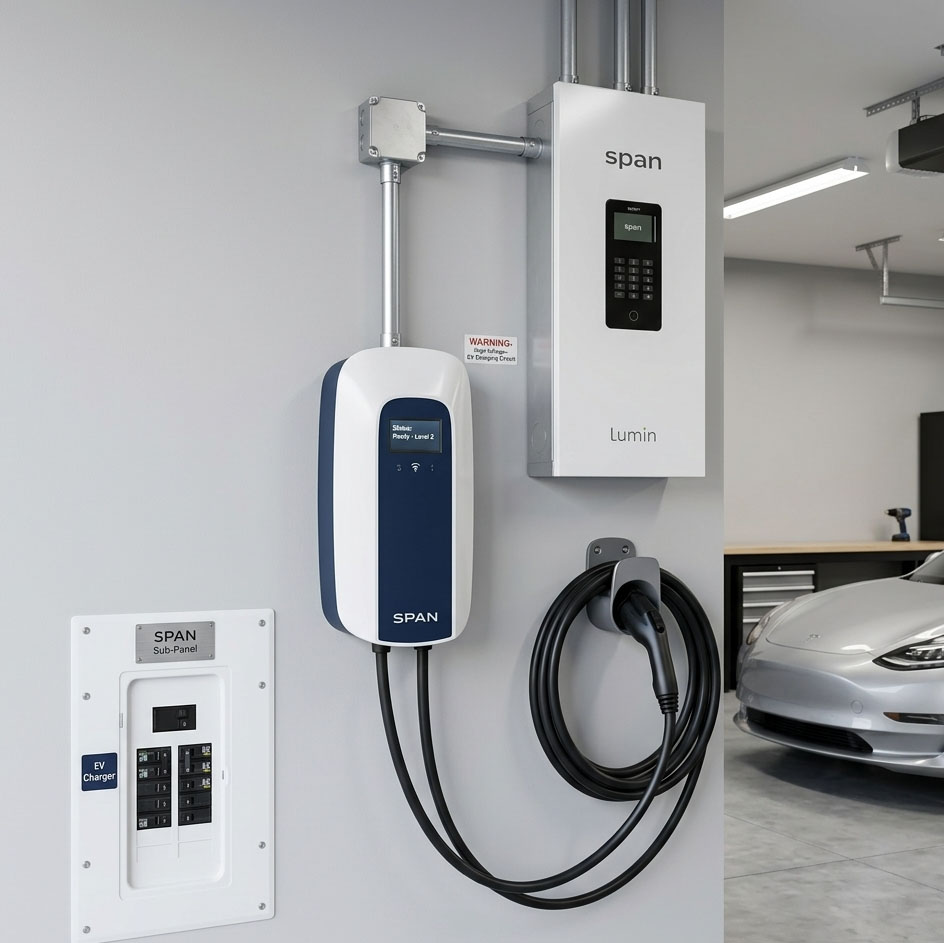
GFCI Outlet Installation
We install GFCI-protected outlets in every code-required location: bathrooms, kitchens (countertop circuits within 6 feet of a sink), garages, outdoor receptacles, laundry rooms, basements, and crawlspaces. Each GFCI outlet is tested for proper trip response before we leave.
GFCI Outlet Replacement
GFCI outlets have a functional lifespan of 10–15 years. After that, the internal sensing mechanism degrades, the test button may stop clicking, the outlet may fail to trip during a fault, or it may begin nuisance tripping under normal loads. If your GFCI outlets are original to a home built before 2010, they should be tested and likely replaced.
2-Prong to GFCI Conversion
Older Roseville homes often have ungrounded, 2-prong outlets throughout the house. NEC allows GFCI protection as a code-compliant alternative when adding a ground wire isn't feasible. We install GFCI outlets or GFCI breakers that provide shock protection even on ungrounded circuits with proper "No Equipment Ground" labeling as required by code.
Outdoor & Pool Area GFCI Compliance
Every outdoor receptacle, pool pump outlet, hot tub connection, and fountain circuit must have GFCI protection. We install weather-rated, in-use covers on all exterior GFCI outlets and verify that pool and spa circuits meet NEC Article 680 requirements for wet locations.
Specialized Safety Services
GFCI Outlet Installation & Troubleshooting
From new installations in remodeled kitchens to diagnosing the GFCI that keeps killing power to your bathroom and hallway, we handle every GFCI scenario. We install individual GFCI outlets where needed and breaker-level GFCI protection where it makes more sense, such as protecting an entire circuit of outdoor outlets from a single breaker. When your GFCI won't stop tripping, we isolate the fault systematically: moisture, device failure, downstream wiring, or appliance and fix the actual cause.
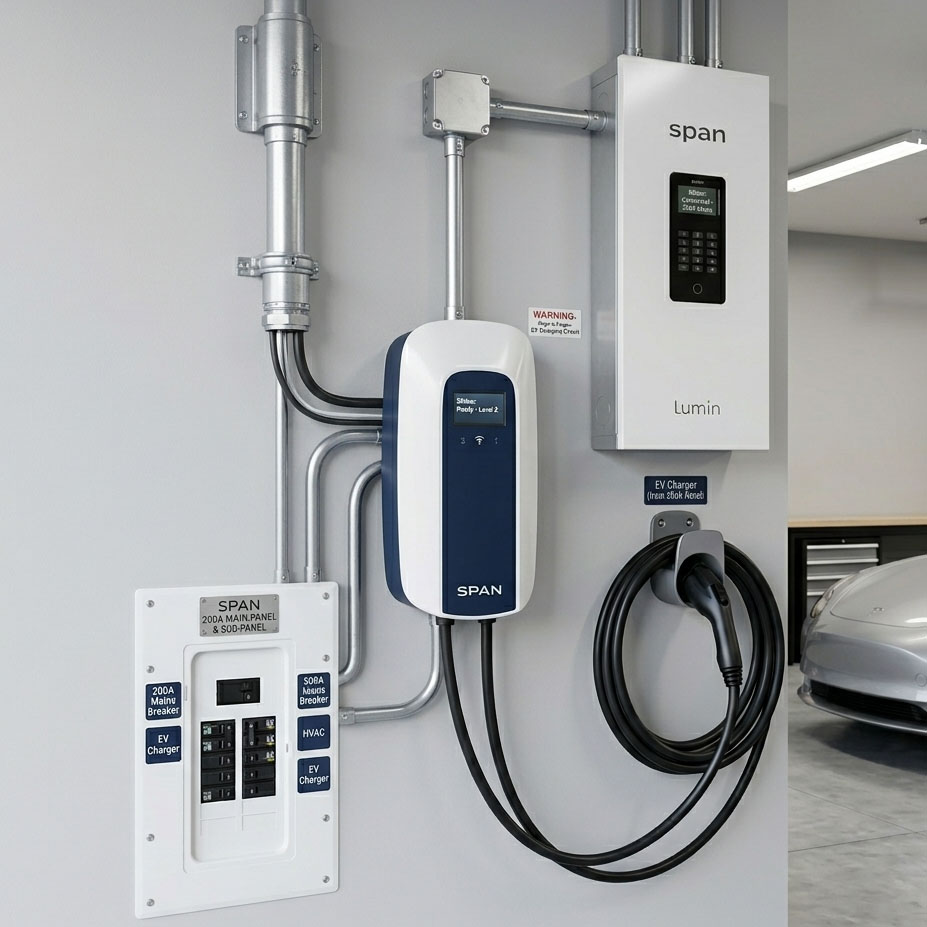
AFCI Arc-Fault Protection
Arc faults are the leading cause of residential electrical fires and they happen silently behind your walls. A frayed wire inside a wall cavity, a nail driven through Romex during a picture-hanging project, or a loose connection at a backstabbed outlet can arc for weeks before igniting surrounding materials. AFCI breakers detect these dangerous arcing signatures and cut power before they become fires. We install AFCI breakers in every code-required location and diagnose nuisance tripping caused by incompatible legacy wiring in older Roseville homes.
Whole-Home Surge Protection
Power surges aren't rare events; they happen dozens of times a day from HVAC cycling, grid fluctuations during Roseville's extreme summers, and solar system transitions. A panel-mounted Type 2 Surge Protective Device intercepts damaging voltage spikes before they reach any circuit in your home, protecting every appliance, HVAC system, EV charger, and smart device simultaneously. We install commercial-grade SPDs rated for 50kA+ per phase and verify your grounding system is capable of handling the diverted energy.
Why Roseville Homeowners Choose Electrician Roseville
We Diagnose Before We Install
If your GFCI keeps tripping, we don't just swap it for a new one and hope for the best. We trace the circuit, test every downstream outlet, check for moisture, and isolate the actual fault. Then we fix the cause, not just the symptom.
We Understand the Interaction
GFCI, AFCI, and surge protection devices can conflict with each other when improperly configured. We design your safety system so all three layers work together without nuisance tripping or compatibility issues.
We Know What's Changed in Code
NEC requirements have expanded dramatically since 2014. Many Roseville homes built in the 1990s and 2000s have GFCI only in bathrooms and no AFCI protection anywhere. We bridge the gap between what your home has and what current code requires.
Our Step-by-Step Process
01
Whole-Home Safety Assessment
We walk every room and inspect your existing GFCI outlets (test/reset function), AFCI breakers (if any), surge protection (if any), and grounding system. We document what's present, what's missing, and what's expired or non-functional.
02
Prioritized Recommendation
You receive a clear, room-by-room recommendation showing which devices need to be installed, replaced, or upgraded, organized by priority (safety-critical first, code compliance second, equipment protection third).
03
Installation
We install all devices in a single visit whenever possible. GFCI outlets are tested for proper trip response. AFCI breakers are verified against nuisance trip thresholds. Surge protectors are connected to verified grounding systems. Every device is labeled and documented.
04
Inspection & Documentation
If your project requires a permit (new circuit work, panel modifications), we schedule the City of Roseville inspection. You receive a written safety report documenting every device installed, its location, and the protection it provides.